Can a Criminal Lawyer Get My Charges Dropped in Brisbane?
Sometimes—but no criminal lawyer can promise that your charges will be dropped. In Queensland, a lawyer may be able to persuade the prosecution to withdraw a charge, discontinue a prosecution, or resolve a case in another way. Whether that is realistic depends on the evidence, the law, the alleged offending and what happens as the case moves through court.
If you or someone close to you has been arrested, charged or contacted by police in Brisbane, take the situation seriously—but do not assume the worst. There may be important decisions to make about a police interview, bail, evidence and your first court date. A practical first step is to write down a timeline of what happened before calling a criminal lawyer. Dates, times, conversations and names are much easier to record while they are fresh.
This guide explains how charges may be withdrawn in Queensland, what a defence lawyer can do, and how to get urgent help in Brisbane.
What does “getting charges dropped” mean in Queensland?
“Getting charges dropped” is a common expression, rather than a precise legal outcome. People may use it to mean that a charge has been withdrawn, the prosecution has discontinued the case, or a court has dismissed a charge. The right description depends on what happens and when.
In Queensland, the police or the Office of the Director of Public Prosecutions (ODPP) may prosecute matters, depending on the case. A lawyer can make representations to the prosecution—setting out why a charge should not proceed or why it should be changed. The decision is made by the prosecution, not the defence lawyer. If a matter goes to court, the magistrate or judge may make decisions about the case according to the law and evidence.
Outcome What it generally means Charge withdrawn The prosecution takes steps to end a charge. This may happen before a hearing or during court proceedings. Prosecution discontinued The prosecution decides not to continue with the case. “Discontinue prosecution Brisbane” is a phrase people often search for when looking for this outcome. Charge dismissed or found not guilty The court brings the charge to an end or finds the prosecution has not proved it. The circumstances and legal effect depend on the case. Charge changed or resolved The prosecution may agree to proceed on a different charge or the case may resolve in another way. This is not the same as all charges being dropped.A lawyer can advise which outcome may be available in your circumstances. They should explain the risks and alternatives, not suggest that a particular result is guaranteed.
How can a criminal lawyer help seek charges withdrawn in QLD?
A criminal defence lawyer’s work is not limited to appearing in court. They can examine the case, advise you on your options and communicate with the prosecution. These steps may lead to charges withdrawn QLD clients are hoping for, but the outcome depends on the evidence and the decision-maker.
Reviewing the evidence
Your lawyer can request and review the prosecution’s material as it becomes available. That may include witness statements, police body-worn camera footage, CCTV, photographs, forensic material, interview records and other documents. They can look for gaps, inconsistencies, identification issues or evidence that supports your account.
Evidence must be considered in context. A short clip, an incomplete statement or your own recollection may not tell the whole story. Do not delete messages, edit images or post about the allegation online. Tell your lawyer what exists and ask how it should be preserved or handled.
Checking whether the charge is legally supported
The prosecution needs evidence that supports the elements of the alleged offence. A lawyer can assess whether the alleged facts, if accepted, meet those requirements and whether there are legal issues that should be raised. They can also advise on possible defences. That assessment may change as more material is disclosed.
Making representations to the prosecution
“Defence lawyer negotiations” can include written or verbal representations asking the prosecution to reconsider a charge, provide further material, amend a charge or resolve the case another way. A lawyer may point to weaknesses in the evidence, relevant circumstances or a problem with how the investigation was conducted.
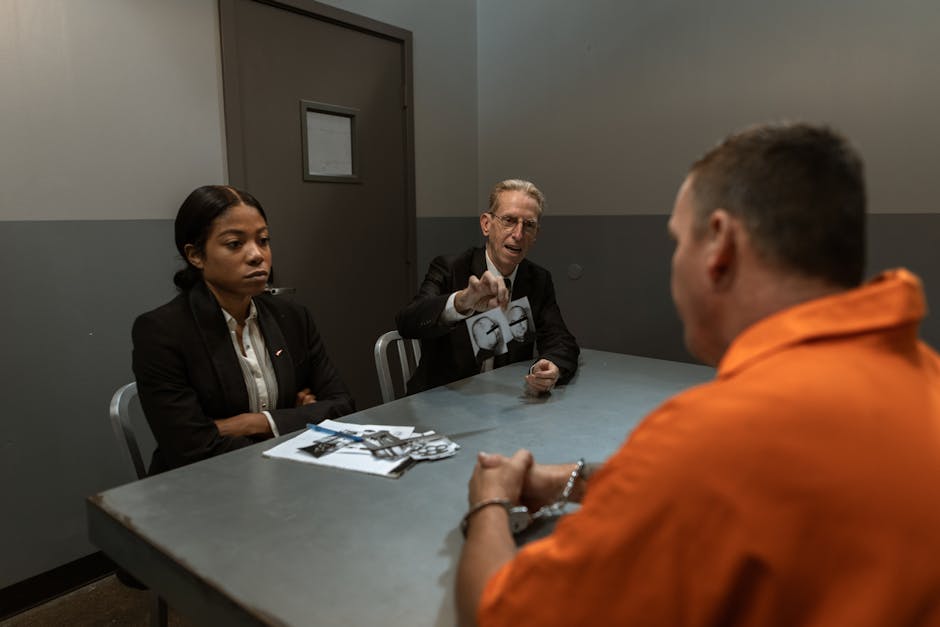
Good representations are based on the facts and law, not just a request for sympathy. The prosecution may agree, refuse, ask for more information or take time to respond. Your lawyer should explain what they have asked for and what may happen next.
Preparing for court if the charge continues
If the prosecution does not withdraw the charge, your lawyer can advise you about the next steps, including whether to plead guilty or contest the charge. A lawyer should not pressure you into a plea. You should understand the evidence, the possible outcomes and the consequences before deciding.
What should I do after an arrest or police call?
The right steps depend on whether you are in custody, have been asked to attend an interview or have received a court notice. If you are unsure, get legal advice promptly rather than guessing what a request means.
- Write a timeline. Record what happened, with dates and times. Include who was present, what was said, any police contact and any relevant events before or after the allegation. Mark anything you are unsure about rather than filling gaps from memory later.
- Keep documents and messages. Save police paperwork, court notices, call details, relevant messages and photographs. Do not alter or delete material, and do not contact witnesses to discuss what they should say.
- Ask for legal advice before an interview. If police want to question you, ask to speak with a lawyer. Do not assume an informal phone call or station visit is harmless. Your rights and obligations can depend on the circumstances, so get advice about your particular situation.
- Stay calm and avoid discussing the case publicly. Do not post about the allegation on social media or send explanations to other people that may be shared. Be respectful when dealing with police, but avoid guessing or volunteering detailed answers before receiving advice.
- Check all dates and conditions. Note any interview time, bail condition, reporting requirement and court date. Missing a court date or breaching bail can create additional problems.
- Tell your lawyer about anything that might matter. That includes facts you think are unhelpful. Your lawyer needs an accurate picture to advise you properly and plan the case.
If you are in custody, make it clear that you want legal advice. A friend or family member can help locate a lawyer and pass on practical information, but they should not try to coach your account or speak to witnesses about their evidence.

Bail and urgent court help in Brisbane
If you have been arrested, ask for legal help as soon as possible. If you are not granted bail by police, or bail is refused, a court may need to consider a bail application. The timing and process depend on the circumstances, the charge and where the matter is being dealt with. Urgent advice matters because you may be in custody while the next https://fantasticlawyers.com/2026/10/11/best-criminal-lawyers-brisbane/ step is arranged.
A bail application is not the same as arguing that the charge should be withdrawn. Bail concerns whether you can be released while the case is ongoing and, if so, on what conditions. A lawyer can explain the application process, help prepare relevant information and advise on any proposed conditions. Do not agree to conditions you cannot realistically follow without asking for advice.
If you have a court date approaching, tell the lawyer the date, court location and charge as soon as you call. For a Brisbane matter, the court and list can affect where and when you need to attend. Bring your paperwork, follow any bail conditions and do not simply stay away because you have not yet received all the evidence.
How to choose a criminal lawyer in Brisbane
Look for someone who regularly handles criminal matters in Queensland and is willing to explain the process in plain English. You are not choosing someone who can guarantee a result; you are choosing someone who can assess the case, give clear advice and do the agreed work competently.
- Ask about relevant experience. Have they handled cases involving the type of charge you face and appearances in the relevant Brisbane court?
- Ask who will do the work. Find out whether the person you speak to will be your main lawyer, and who may appear in court or prepare documents.
- Ask how they assess the case. A useful first discussion should identify what information is missing and what needs to happen next—not promise a result before the evidence is reviewed.
- Check communication arrangements. Ask how to contact the lawyer, how quickly they normally respond and how they will update you about court dates or prosecution decisions.
- Compare written costs information. Ask for the scope of work, likely fees and possible extra expenses in writing before you decide.
- Notice whether you understand the advice. You should be able to ask questions and receive an explanation without being made to feel foolish.
You may also be eligible for legal aid, depending on the matter and your financial circumstances. Ask about eligibility early. A private lawyer can explain their fees, but do not assume legal aid will cover every matter or every stage.
Fees and billing styles: what should I ask?
Criminal lawyers may charge an hourly rate, a fixed fee for a defined stage of work, or a combination of approaches. A fee for an initial consultation does not necessarily include court appearances, reviewing further evidence or preparing a defended hearing. Ask exactly what is included.
Billing approach What to clarify Hourly rate Ask for the rate, how time is recorded, how often you will receive invoices and whether different staff have different rates. Fixed fee Confirm the stages and tasks covered, what is excluded and what happens if the matter takes longer or changes direction. Initial consultation fee Check how long the meeting is, what advice it covers and whether it includes any later work. Disbursements and other costs Ask about possible expenses such as reports, experts, transcripts or counsel, and whether you must approve them first.Request a costs disclosure or written costs agreement and read it before signing. Ask whether GST is included, what payment is needed up front, and how you will be told if the estimate changes. A clear answer is more useful than a low headline figure that leaves important work out.
Questions to ask at your first consultation
- What are the immediate deadlines or risks in my case?
- What should I do about the police interview, if one is requested?
- What information do you need from me, and what should I avoid doing?
- What material is available now, and what still needs to be obtained?
- Could representations be made to seek a charge withdrawal or other resolution?
- What are the realistic alternatives if the prosecution does not agree?
- What will you do for the quoted fee, and what could cost extra?
So, can a lawyer get your charges dropped?
A Brisbane criminal lawyer may be able to persuade the prosecution to withdraw a charge or discontinue a prosecution, particularly where the evidence or legal basis does not support continuing. But no lawyer controls the prosecution’s decision or the court’s decision, and no one can responsibly guarantee that your charges will be dropped.
Act early, preserve relevant information and write down your timeline before you call. Ask for clear advice about the evidence, bail, court dates and fees. A lawyer who explains both the possibilities and the risks can help you make informed decisions—even when the answer is not the outcome you were hoping for.
This article provides general information about criminal matters in Queensland, not legal advice for your individual circumstances. Get advice from a Queensland lawyer about your situation.