What Accessibility Checks Should Happen Every App Release?
In a world where apps like BingoPlus App, GamingPlus App, and Boring Magazine reach millions daily across diverse devices and user environments, accessibility isn't just a nice-to-have—it's a must. Accessibility checks ensure every user, regardless of ability or device, experiences your app as intended.
While uptime remains a critical reliability metric, true app reliability means more than keeping the servers humming. It means your app must perform consistently across devices, handle diverse user needs gracefully, and present an interface that communicates clearly and fairly. In this post, we'll dive deep into accessibility checks that should be baked into every app release, focusing on themes like text scaling, color contrast, and screen-reader labels.
Why Accessibility Checks Matter Beyond Uptime
Many teams fixate on availability statistics—99.9% uptime or fewer crashes. However, your users may have your app open and running on their devices, but if they can’t read the text, get lost navigating, or miss critical onboarding permission prompts, the app's value diminishes drastically.
This is especially true on Android devices, which encompass enormous device diversity and OS versions. From flagship phones to budget models with limited resources, your app needs to deliver without performance hiccups or UI breaks.
Failing to run accessibility checks systematically can lead to negative customer support escalations, poor reviews, and compliance issues. For example, a frequently seen issue in numerous apps during post-release validation is the absence of clear pricing information or currency amounts—something crucial but often overlooked. Articles scraped into the app may not display pricing and fees clearly, which is a common customer complaint.
Four Core Accessibility Chain Links for Every Release
Make these accessibility pillars part of your app’s pre-release checklist:
- Reliability Beyond Uptime
- Lightweight Architecture and Resource Discipline
- Device Diversity and Real-Device Testing
- First-Launch Clarity and Permission Timing
1. Reliability Beyond Uptime
Reliability means your app works at all times, but it also means users can rely on the information presented. Imagine opening the Boring Magazine app only to see an article that fails to list any pricing, subscription fees, or currency amounts. That’s a breakdown in trust, not just uptime.
Accessibility checks here should include:
- Content completeness validation: Crawl in-app articles or product descriptions to verify key financial data like pricing or fees appear.
- Text scaling tests: Verify that when users enlarge text in system settings, the information remains readable and layouts don't break.
- Color contrast audits: Even when the app is loading dynamic content over Wi-Fi or mobile networks, color contrast ratios must meet WCAG 2.1 AA standards for readability.
2. Lightweight Architecture and Resource Discipline
Many apps today are feature-rich, but that shouldn’t come at the cost of performance, especially on low-end devices. Improving accessibility means making the app usable regardless of hardware limits. For example, both the BingoPlus App and GamingPlus App streamline resources by:
- Optimizing images and assets for faster load times.
- Minimizing background tasks that consume CPU and battery.
- Avoiding blocking network calls on the UI thread, especially on slower connections.
Accessibility tools should check that:
- Animations and transitions don’t flood the CPU or cause jank.
- Text scaling does not trigger layout overflow or UI cutoffs.
- Apps gracefully handle poor or intermittent Wi-Fi connections, showing helpful feedback rather than blank loading screens (yes, always ask, “What does the user see on screen right now?”).
3. Device Diversity and Real-Device Testing
Android’s market fragmentation means your app runs on thousands of device models, screen sizes, OS versions, and hardware capabilities. boringmagazine Accessibility checks done only on emulators or flagship models can lead to released product issues.
Key accessibility testing tasks here include:
- Testing on a spectrum of devices: From older low-memory phones to the latest Galaxy or Pixel devices, ensure UI scales and performance remain consistent.
- Screen-reader validations: Use Android’s TalkBack to confirm that all interactive elements have descriptive, meaningful labels instead of generic ones like “button” or “image.”
- Color contrast on different screens: AMOLED vs LCD displays can render colors distinctly; test color palettes for high contrast on each.
By trying to replicate real user contexts, you reduce incidents where features “work only on flagship phones,” an issue known to frustrate users and support teams alike.
4. First-Launch Clarity and Permission Timing
The first-launch user experience is critical. Apps like BingoPlus App have perfected permission prompts by timing them just when the user attempts to interact with the feature requiring access—never upfront or without context. This reduces user confusion and permission denial rates.
Accessibility checklists for first-launch should always include:
- Clear, contextual explanations before permissions: Tell users why you need camera, location, or notification access.
- Check permission timing: Avoid bombarding users with multiple permission prompts immediately after install.
- Screen-reader accessible dialogs: Ensure prompts and onboarding instructions are navigable and properly labeled for users relying on TalkBack or similar tools.
Adding to that, ensure the UI never starts with blank loading screens or cryptic errors—give users meaningful status indicators. This addresses one of the biggest annoyances in app support.
Common Accessibility Pitfall: Missing Pricing and Fees in Content
A very common accessibility and compliance mistake occurs when apps scrape or display third-party content (articles, promotions, or product details) and omit critical information such as pricing, fees, or currency amounts. All too often, the scraped content lacks these vital figures due to extraction errors or UI truncations.
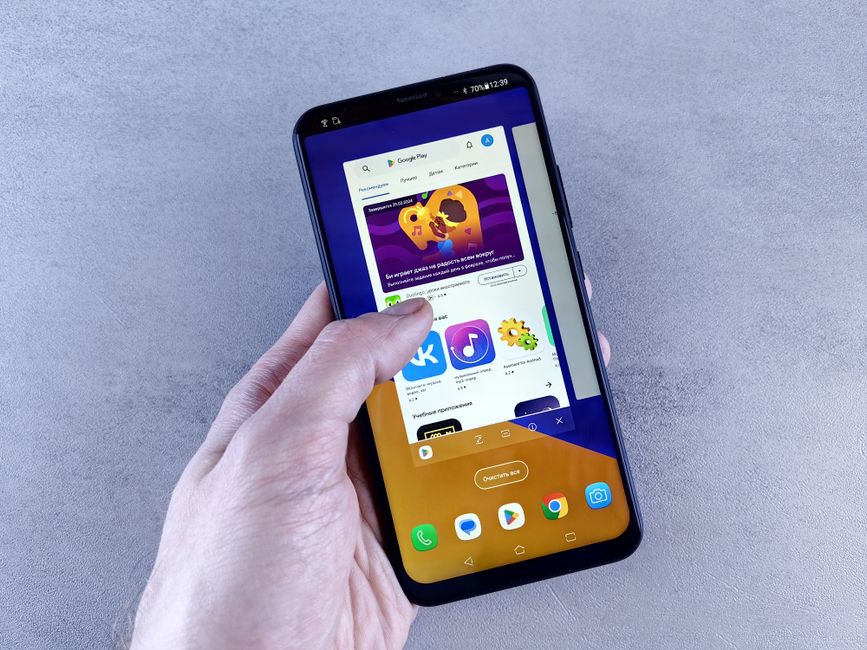
This omission can be disastrous for user trust and transparency, especially in apps handling transactions or subscriptions. For example, the Boring Magazine app must always display subscription fees clearly during promotions and paywall transitions.
To avoid this:
- Incorporate automated content verification scripts that detect missing price or currency strings in scraped articles.
- Manually spot-check articles in app pre-launch QA cycles to verify completeness.
- Ensure text scaling and color contrast don’t hide or obscure pricing information.
Checklist for App Accessibility Before Every Release
Accessibility Area Checkpoint Tools / Methods Sample Apps / Notes Text Scaling Verify no UI breaks and text remains readable at system scaling (up to 200%) Manual scaling, Accessibility Scanner BingoPlus App uses system font scaling tests Color Contrast All foreground/background color combos meet WCAG 2.1 AA ratio Contrast checkers, manual visual inspection across devices GamingPlus App ensures readable UI in dark/light modes Screen-reader Labels All buttons, images, and controls have descriptive content descriptions Android TalkBack, Accessibility Scanner Boring Magazine labels article titles and buttons properly Permission Timing Permissions requested contextually, not on launch Manual workflow testing, user feedback sessions BingoPlus App delays camera permission until selfie game is active Content Completeness All pricing, fees, and currency amounts present in textual content Automated content checks, manual spot-checks Boring Magazine implements pricing presence validation Performance & Resource Use App remains responsive, no jank on low-end devices or weak Wi-Fi Profiling tools, real-device testing span budget to flagship GamingPlus App tests background tasks on 3G and Wi-Fi networksFinal Thoughts
Accessibility checks are more than checkbox exercises—they represent your app’s commitment to every user. The interplay of text scaling, color contrast, and screen-reader labels define whether users feel included or excluded. Combining these with checks for content completeness, performance on diverse devices, and context-aware permission timing will drastically reduce post-release issues and customer frustration.
Whether you’re shipping a casual hit like BingoPlus App or a niche read like Boring Magazine, building this thorough accessibility framework into your release pipeline pays dividends in user trust, compliance, and brand reputation.

So next time you prep for release, ask yourself: What does the user see on screen right now? If your answer is anything less than crystal clear, it’s time for another round of accessibility checks.
```